Available today
Meter sets
Guided overview and detail photos, component-level corrosion observations, nameplate extraction, technician corrections, supervisor review, mapping, and exports.
Production workflow
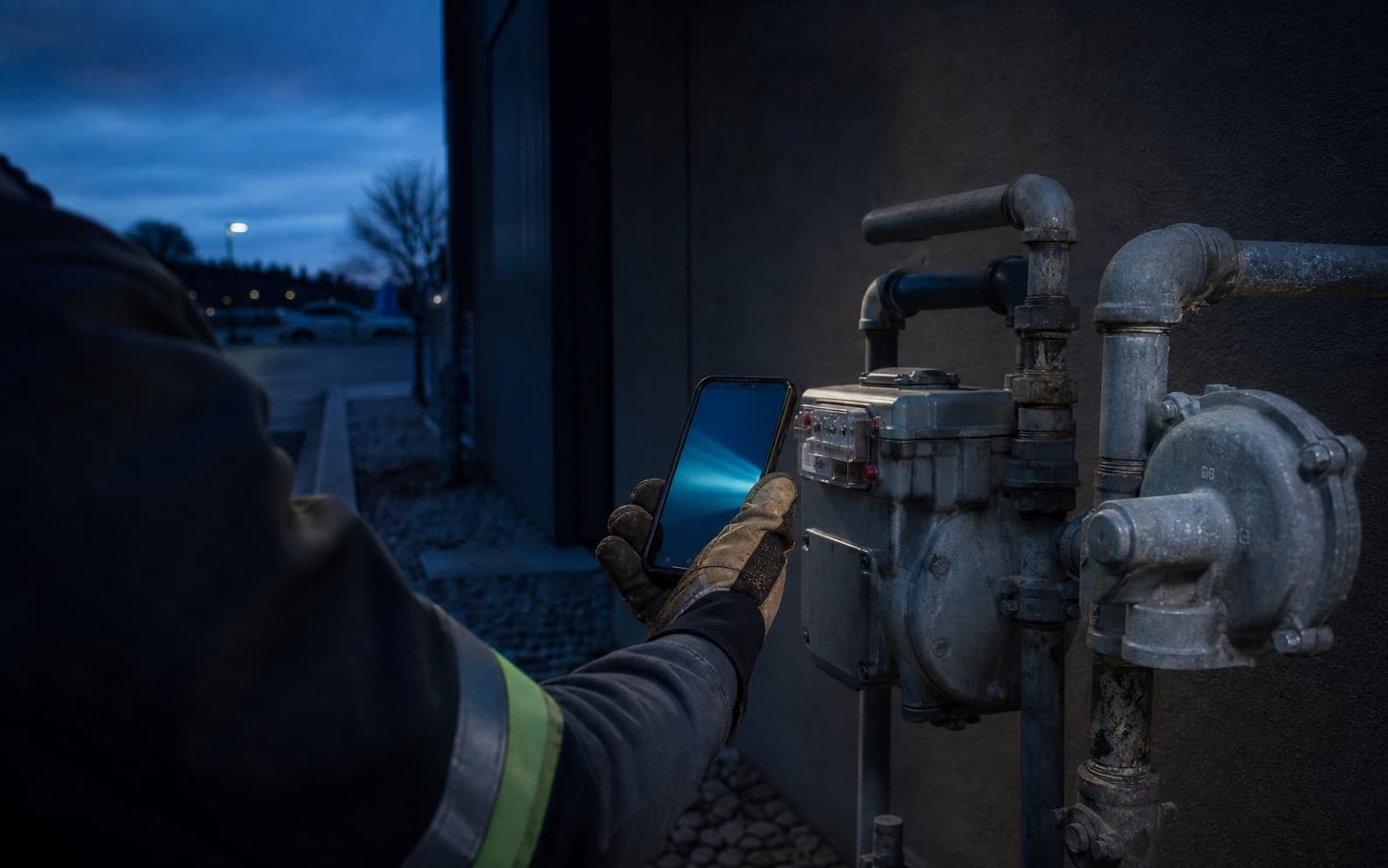
Corrosion Core is available today for guided, multi-photo meter-set inspections. The same evidence-first approach is expanding through field-evaluated regulator-station and farm-tap pilots—giving field and office teams structured records they can review, map, and export.
Each asset class gets its own capture guidance, evaluation set, and release gate. That keeps the workflow useful without turning a product roadmap into an unsupported claim.
Guided overview and detail photos, component-level corrosion observations, nameplate extraction, technician corrections, supervisor review, mapping, and exports.
Planned station-specific capture roles and component coverage, evaluated with real field evidence before the workflow is offered for general use.
Planned farm-tap evidence guidance and assessment structure, with asset-specific validation instead of treating every installation like a meter set.
Bring representative field photos and your existing inspection expectations to the demo.
Instead of one blanket score, today’s meter-set workflow structures individual components, observations, confidence, and technician-reviewable notes. New asset classes will use their own evaluated component and evidence rules.
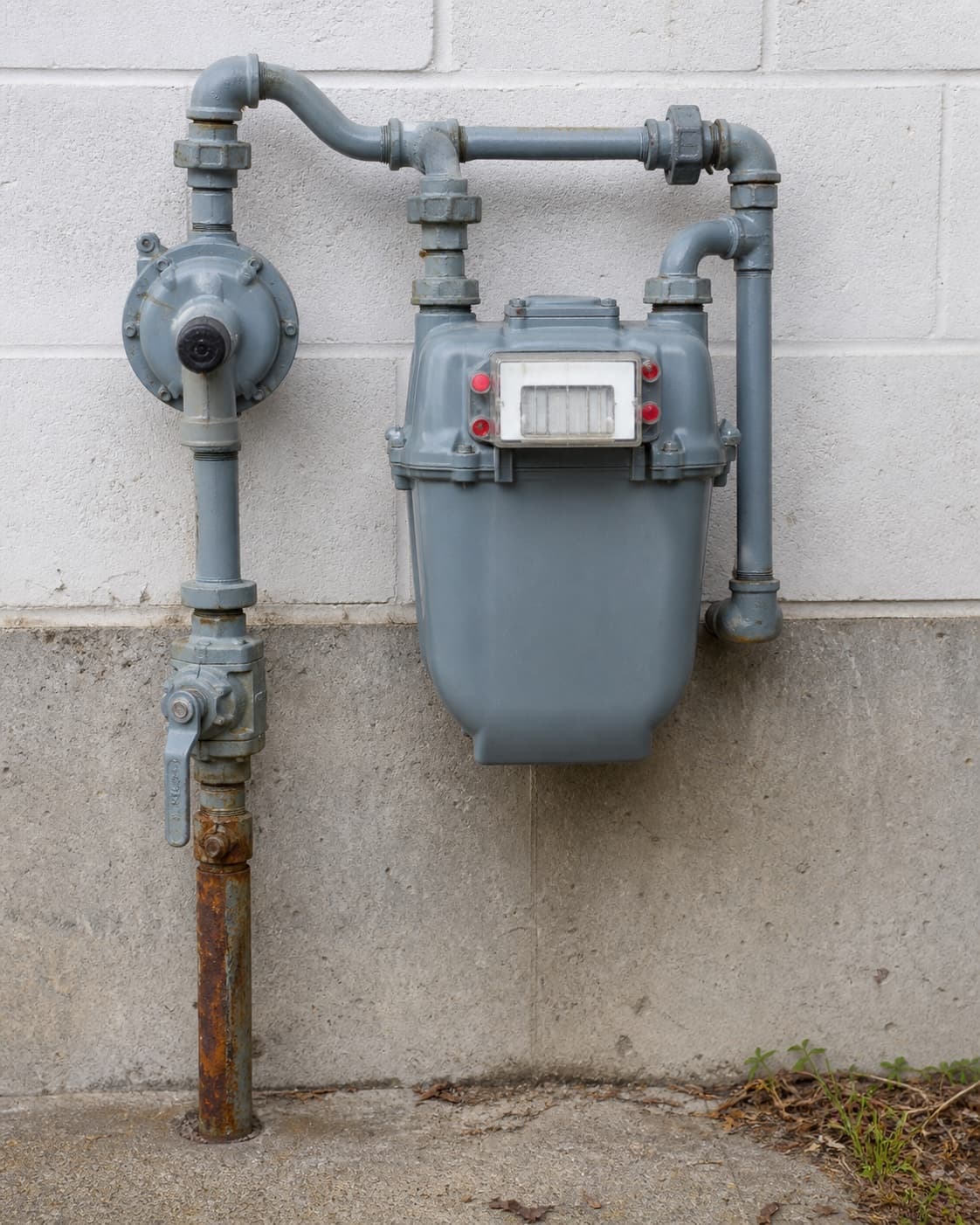
Heavy surface corrosion is visible below the shut-off valve and should be evaluated in the field.
Demo result for illustration. AI observations are reviewed by the technician in the field.
The technician gets a structured result, the office gets organized records, and the original inspection stays connected to every supporting photo and its context.
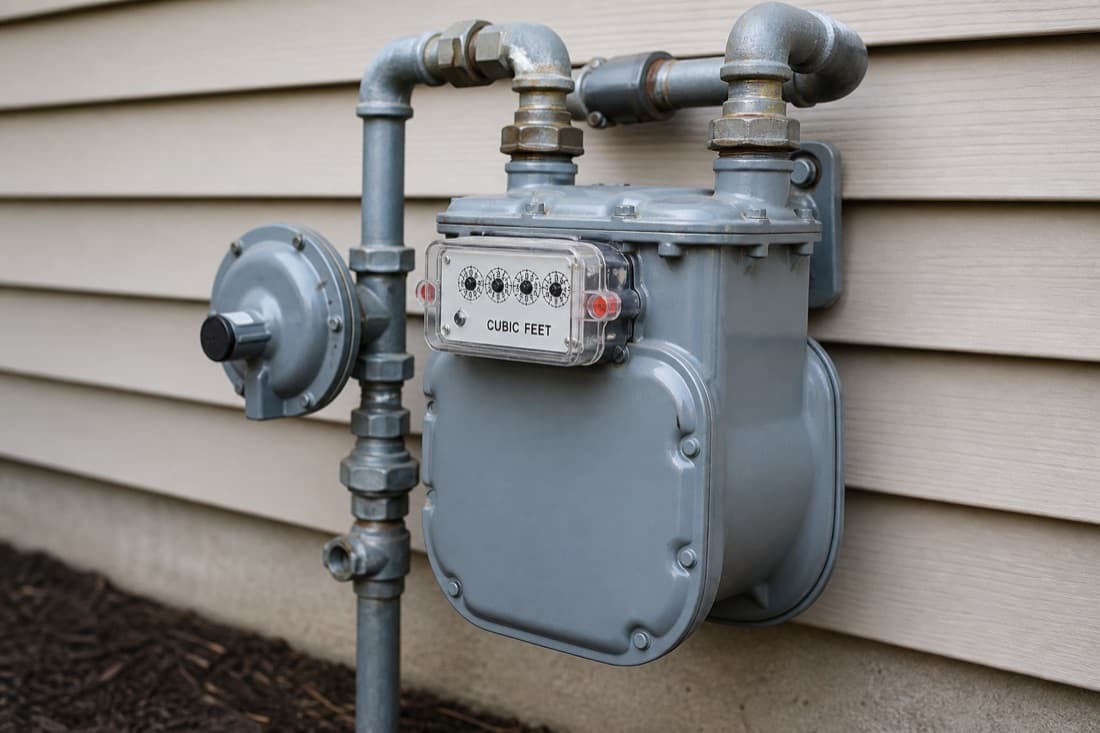
For meter sets, take one required overview and add guided connection, underside, nameplate, or corrosion-detail photos when useful. AI analysis requires connectivity.
Review overall condition, component findings, nameplate data, and any AI-identified safety notes before the record moves on.
Completed inspections are stored on the device. Cloud sync runs in the background and retries pending records on a later app launch.
Inspections with captured location appear on a central map, alongside ratings, photos, component counts, and export tools.
Corrosion Core helps standardize how visible asset condition is captured and handed off. Technicians and integrity teams remain responsible for review, decisions, and regulatory compliance.
Use the records as one input to your existing corrosion-control and field-review process.
Timestamped records keep the overview, supporting photos, overall rating, component observations, and nameplate data together.
GPS context is captured when device permission and signal allow, then displayed with the inspection.
Technician corrections and supervisor dispositions stay connected to the original AI run instead of erasing the evidence trail.
Export an individual branded PDF or move a broader inspection history into Excel for downstream work.
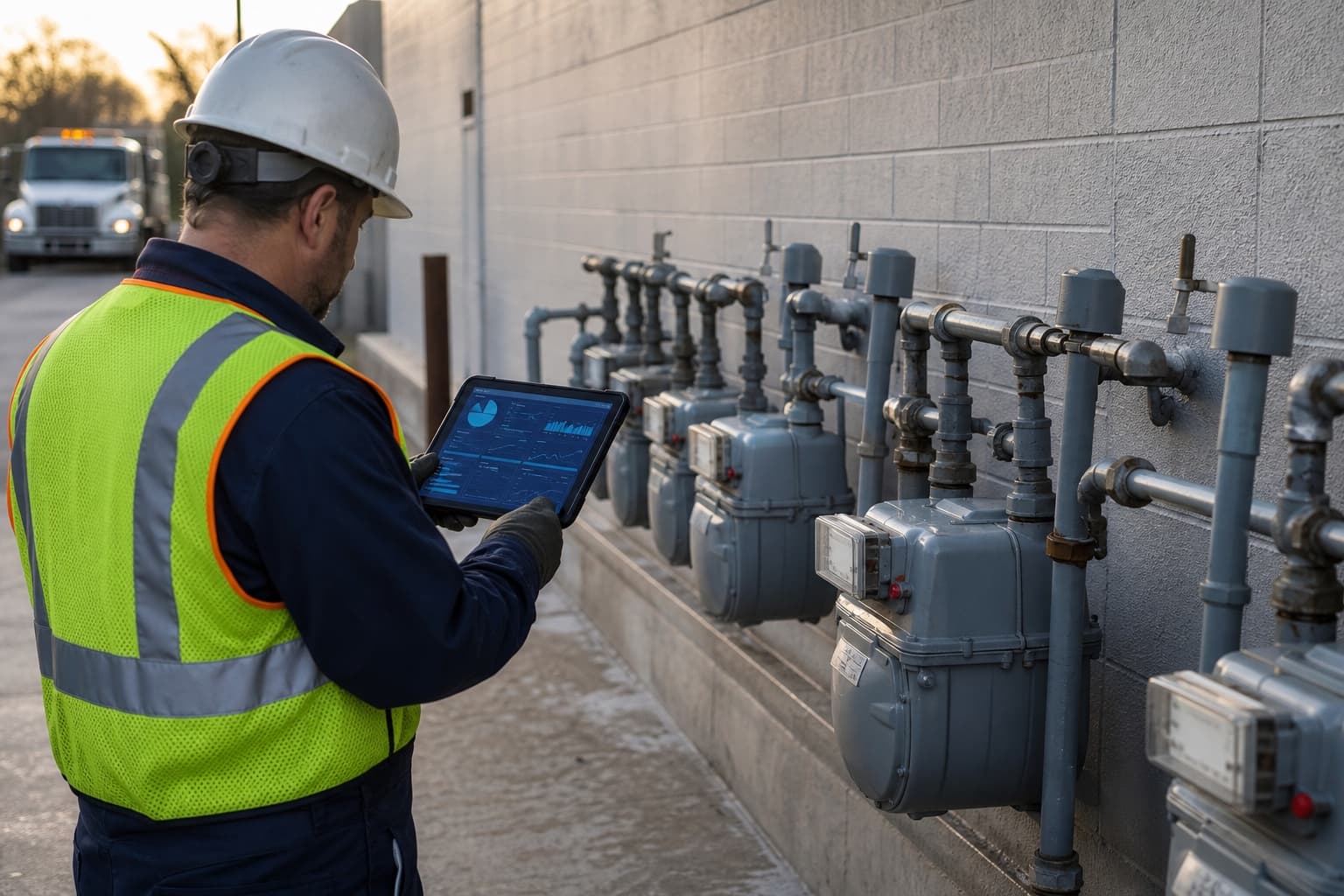
In a focused 20-minute walkthrough, we’ll show the production meter-set workflow and discuss what a responsible regulator-station or farm-tap pilot would require for your operation.